Jewelry clasps are small however important components that maintain collectively necklaces, bracelets, and other wearable pieces. The right clasp not solely ensures that your jewellery stays safe but also enhances the overall look of your design. With so many various varieties of clasps available, it could be overwhelming to choose the one that suits your project. In this text, we’ll discover the different sorts of jewelry clasps, how to choose the best clasp in your designs, and tips for using them successfully.
- Types of Jewelry Clasps
There are a quantity of kinds of clasps obtainable, each designed to supply different functionality and elegance. Here are some of the most typical clasps used in jewelry making:
a) Lobster Clasp
The lobster clasp is among the most popular kinds of clasps used in necklaces and bracelets. Named for its resemblance to a lobster’s claw, this clasp contains a spring-loaded mechanism that allows it to open and shut securely. Lobster clasps are straightforward to make use of and are obtainable in a variety of sizes, Swarovski Pearls making them appropriate for every thing from lightweight chains to heavier statement pieces.
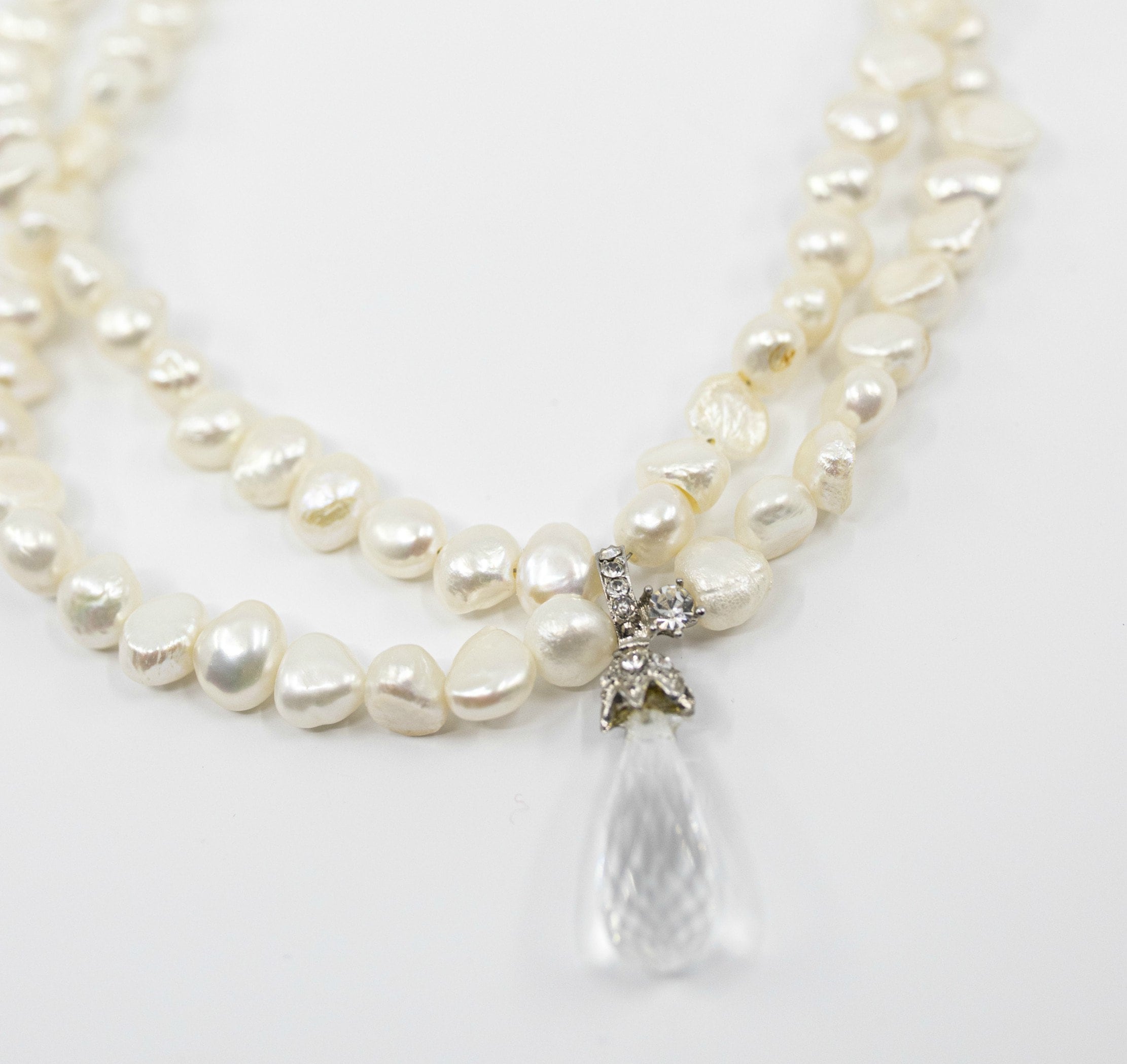
Lobster clasps are usually made from metals corresponding to sterling silver, gold, or chrome steel, and they’re obtainable in several finishes like shiny, matte, or antique.
b) Toggle Clasp
Toggle clasps are broadly utilized in jewellery designs as a result of their ease of use and ornamental enchantment. A toggle clasp consists of two parts: a bar and a ring. The bar is inserted into the ring to safe the jewellery, and the weight of the jewelry itself helps to maintain it in place. Toggle clasps are sometimes utilized in bracelets and necklaces, especially if you need the clasp to be part of the design and not hidden.
Toggle clasps come in various shapes, including spherical, square, and rectangular, and they can be created from metals like silver, brass, or copper. Their simple yet trendy design makes them a popular alternative for both casual and formal jewellery.
c) Magnetic Clasp
Magnetic clasps are excellent for individuals who may have difficulty utilizing conventional clasps as a outcome of arthritis or restricted dexterity. These clasps characteristic robust magnets that routinely join when introduced shut to 1 one other. They are commonly used in bracelets and necklaces for their comfort and ease of use.
Magnetic clasps can be found in numerous types, from glossy, minimalistic designs to more ornamental options with crystals or intricate patterns. They are usually made from chrome steel or brass and are available in different sizes to go properly with a range of jewelry designs.
d) Spring Ring Clasp
Spring ring clasps are small, round clasps with a spring-loaded mechanism inside. To open the clasp, you merely pull back a lever, which releases the small ring, allowing you to connect or detach it. When the lever is released, the spring closes the ring, securing the clasp in place.
Spring ring clasps are generally used in delicate jewellery pieces, especially those with skinny chains or lightweight designs. They are typically smaller than lobster clasps and work nicely for necklaces and bracelets that require a refined, unobtrusive clasp.
e) Box Clasp
A field clasp is a safer and complex choice, usually used for fantastic jewelry such as pearl necklaces or high-end bracelets. It consists of a small box-shaped mechanism with a tongue that fits into a slot, providing a safe closure. Many box clasps have extra features corresponding to safety latches to make sure the jewellery stays securely fastened.
Box clasps are available in various metal finishes and are sometimes embellished with diamonds, gemstones, or ornamental elements. They are perfect for luxurious designs that require a sublime clasp.
f) Hook and Eye Clasp
The hook and eye clasp is a straightforward, conventional closure that consists of a hook on one finish and an eye on the other. To safe the clasp, the hook is inserted into the attention and held in place. These clasps are sometimes used in handmade or vintage-inspired jewellery designs.
Hook and eye clasps may be created from various supplies, including metals and even handmade components like wire. They are often chosen for their classic or rustic appeal and work well with delicate beaded designs.
- How to Choose the Right Clasp for Your Jewelry Design
Selecting the appropriate clasp on your jewellery project is dependent upon a quantity of factors, together with the style of the jewellery, the supplies used, and the functionality you need. Here are some ideas for choosing the right clasp:
a) Consider the Weight of Your Jewelry
Heavier jewelry, such as giant statement necklaces or multi-strand bracelets, requires a safer clasp. Toggle clasps or field clasps are sometimes the most effective choices for heavier pieces as they provide a robust, dependable hold. For lighter jewellery, similar to simple chains or delicate beaded pieces, a spring ring or lobster clasp could additionally be enough.
b) Think About the Style of Your Design
The clasp ought to complement the overall type of your jewellery. For a contemporary, modern look, a magnetic clasp or lobster clasp may work properly. For vintage or bohemian-inspired designs, a toggle clasp or hook and eye clasp could additionally be more applicable. If you’re designing fantastic jewelry, a field clasp with intricate detailing will add magnificence and sophistication.
c) Ease of Use
Consider how straightforward it is going to be for the wearer to open and close the clasp. Magnetic clasps are perfect for people with restricted dexterity, while toggle clasps are straightforward to handle for many who favor a bigger, more visible clasp. Lobster and spring ring clasps are safe but could require somewhat extra effort to make use of.
d) Material Compatibility
Ensure that the clasp materials matches or complements the supplies utilized in the remainder of the jewellery. For example, when you’re using sterling silver beads and wire, choose a sterling silver clasp to maintain a cohesive look. If your jewelry options gemstones or Swarovski Pearls, a box clasp or decorative toggle clasp might improve the overall design.
3. Tips for Using Jewelry Clasps
a) Ensure Proper Sizing
When deciding on a clasp, ensure it’s the proper dimension for your jewellery piece. A clasp that’s too massive or too small can affect the overall look of your design. It’s important to select a clasp that fits the size of your beads, chain, or wire.
b) Add Safety Features
Some clasps, like box clasps, come with extra security mechanisms, corresponding to a latch or further lock. These further features can provide peace of mind, particularly for useful or high-end pieces.
c) Test the Clasp
Before ending your project, always test the clasp to make sure it features properly and holds securely. It’s a good suggestion to gently tug on the clasp as quickly as it is hooked up to the jewelry to verify its sturdiness.
Conclusion
Jewelry clasps could additionally be small, however they play a crucial role in guaranteeing the security and performance of your jewellery designs. Whether you’re creating a simple necklace or a classy bracelet, the proper clasp can elevate your project and make it simpler to wear. By selecting the proper clasp primarily based on dimension, fashion, and functionality, you can guarantee your jewelry is both lovely and sturdy. With so many options available, from lobster clasps to box clasps, there’s an ideal clasp for every jewelry-making need.
